

PCOD and PCOS
PCOD and PCOS are common hormonal conditions affecting the ovaries, often causing irregular periods, weight changes, and fertility issues.
What is PCOS?
It is one of the most common causes of female infertility, affecting 6% to 12% (as many as 5 million) of reproductive age women. But it’s a lot more than that. This lifelong health condition continues far beyond the child-bearing years. PCOS is a metabolic disorder that is more severe than PCOD. (poly cystic ovarian disease).
Women with PCOS are often insulin resistant; their bodies can make insulin but can’t use it effectively, increasing their risk for type 2 diabetes. They also have higher levels of androgen’s (male hormones that females also have), which can stop eggs from being released (ovulation) and cause irregular periods, acne, thinning scalp hair, and excess hair growth on the face and body.
Polycystic Ovary Syndrome (PCOS) is a hormonal disorder that affects women of reproductive age. It can cause irregular periods, excess androgen levels, ovarian cysts, and may impact fertility.
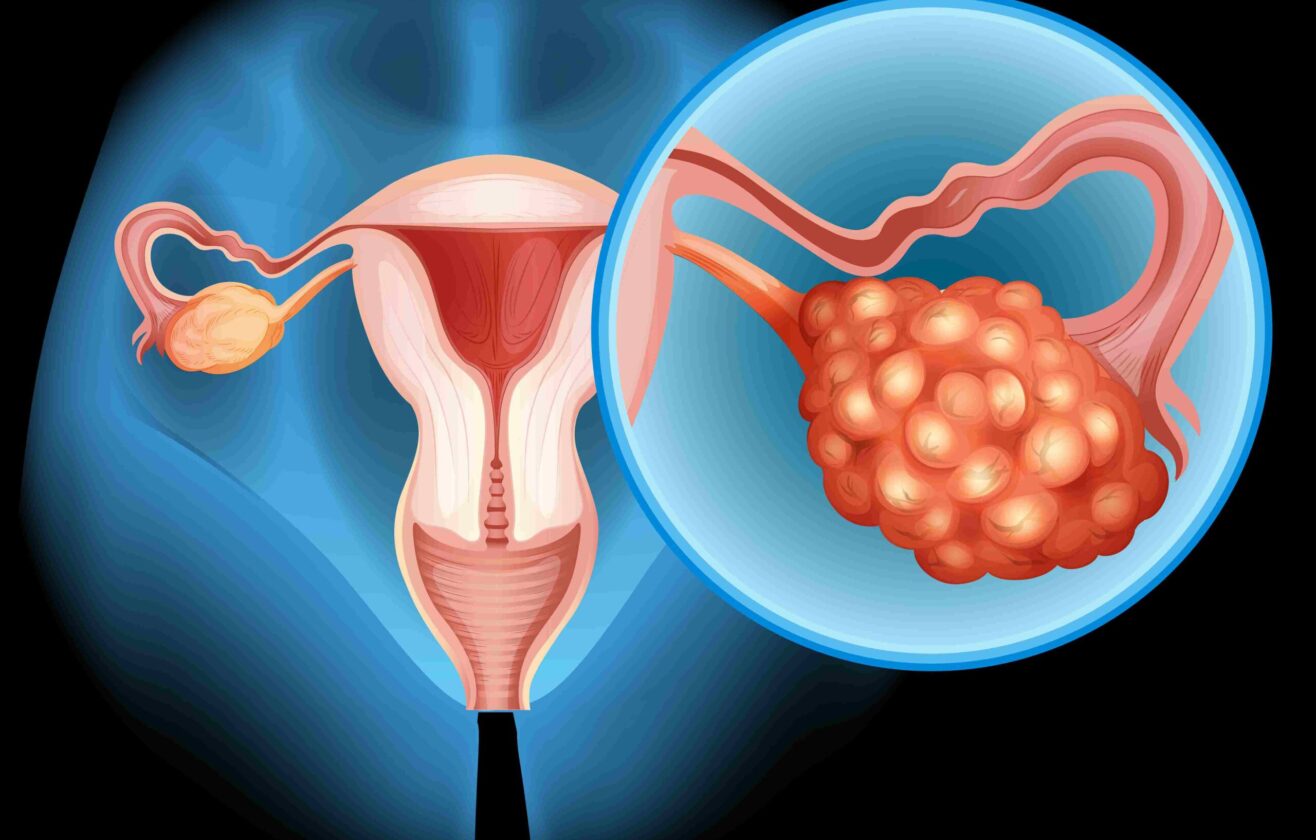
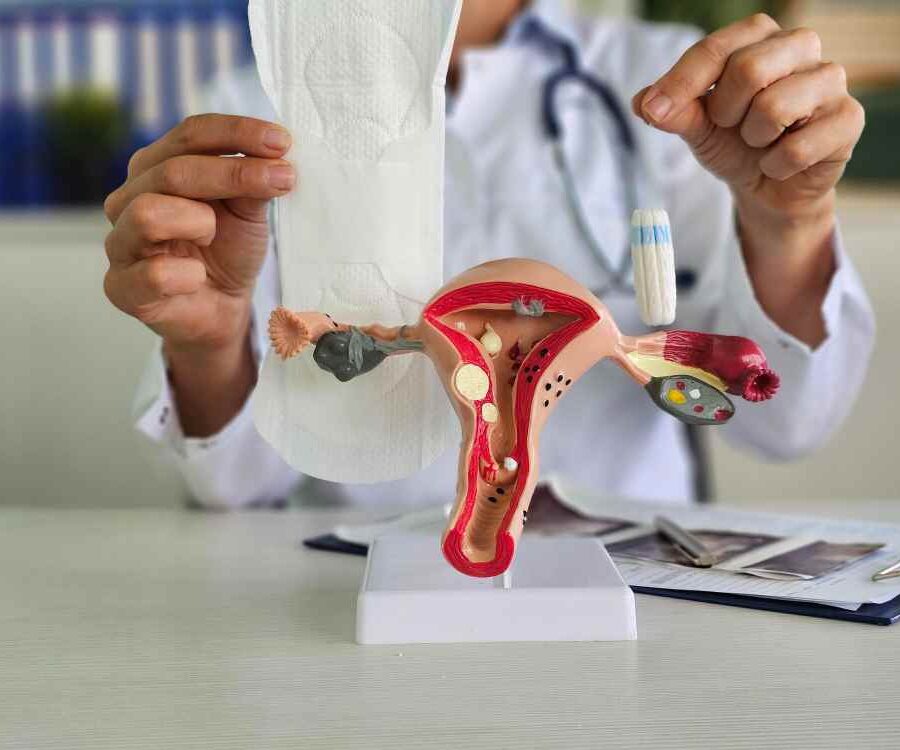
Health Risks Associated with PCOS
Key Contributing Factors in PCOS
Insulin Resistance


Recognizing PCOS Symptoms Across Different Stages of Life
Sometimes symptoms are clear, and sometimes they’re less obvious. You may visit a dermatologist (skin doctor) for acne, hair growth, or darkening of the skin in body creases and folds such as the back of the neck (acanthosis nigricans), a gynaecologist (doctor who treats medical conditions that affect women and female reproductive organs) for irregular monthly periods, and your family doctor for weight gain, not realizing these symptoms are all part of PCOS. Some women will have just one symptom; others will have them all. Women of every race and ethnicity can have PCOS.
It’s common for women to find out they have PCOS when they have trouble getting pregnant, but it often begins soon after the first menstrual period, as young as age 11 or 12. It can also develop in the 20s or 30s.
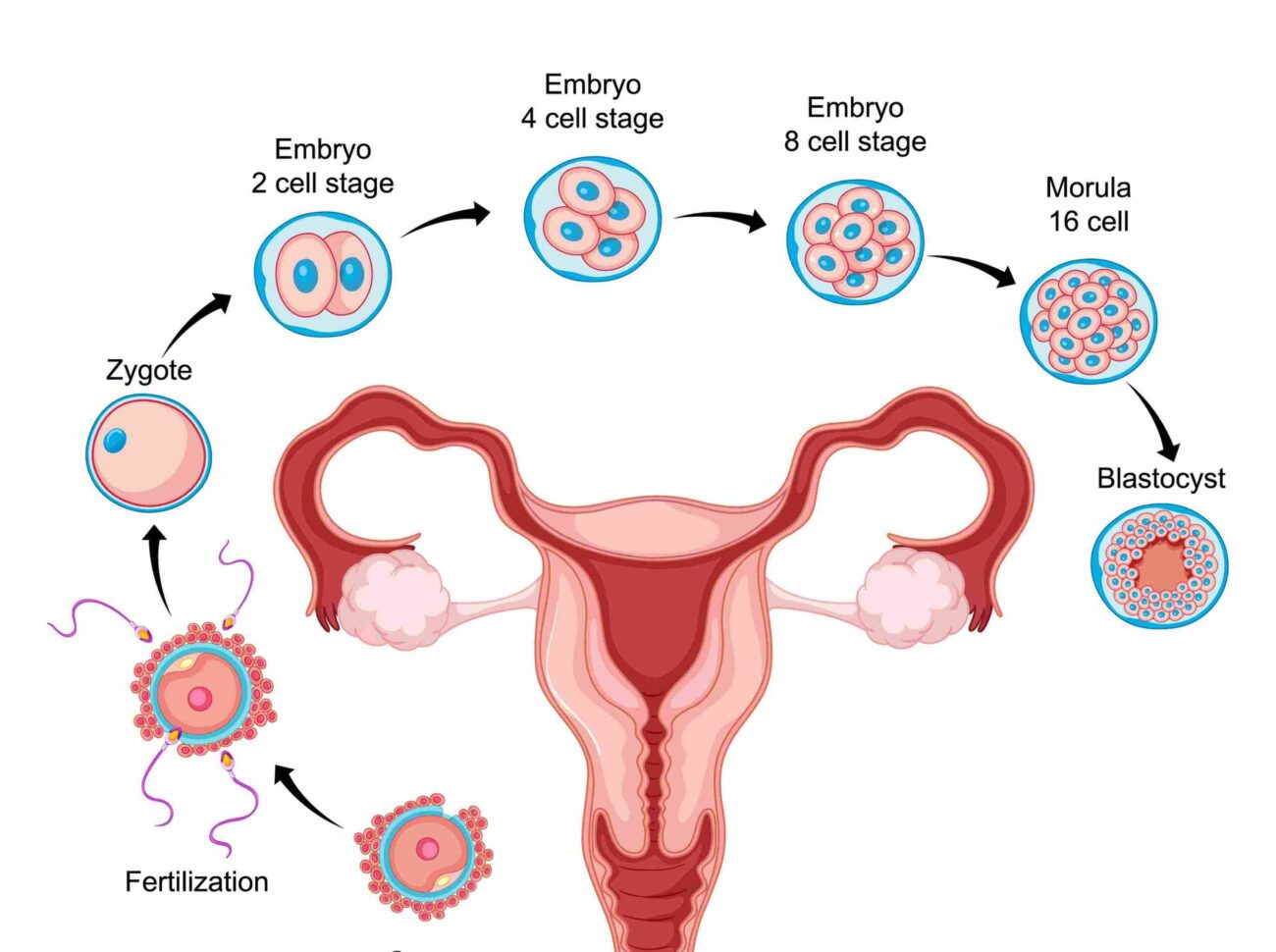
Key Signs Doctors Use to Diagnose PCOS
Just having ovarian cysts isn’t enough for a diagnosis. Lots of women without PCOS have cysts on their ovaries and lots of women with PCOS don’t have cysts.
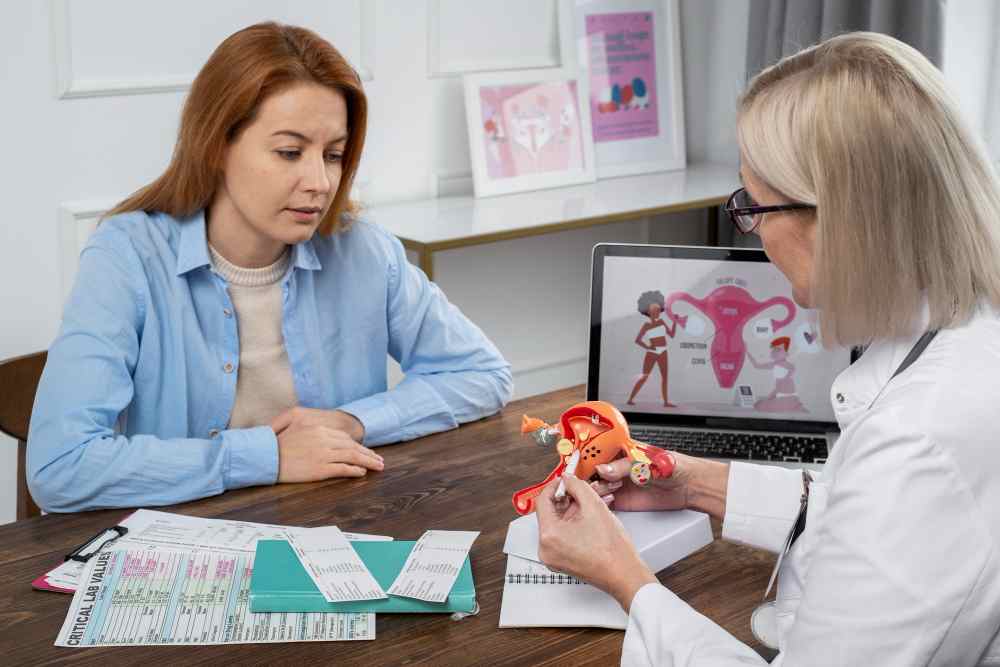
When to See a Doctor and Common PCOS Symptoms

Your Questions andwered with expert care
(01) What Causes PCOS?
Although the cause of PCOS is not known, PCOS may be related to many different factors working together. These factors include insulin resistance, increased levels of hormones called androgens, and an irregular menstrual cycle.
(02) What is insulin resistance?
(03) What can high levels of androgen's lead to?
(04) What can irregular menstrual periods lead to?
(05) What are the health risks for women with PCOS?
Insulin resistance increases the risk of type 2 diabetes and cardiovascular disease. Another condition that is associated with PCOS is metabolic syndrome. This syndrome contributes to both diabetes and heart disease.
Some women with PCOS develop a condition called endometrial hyperplasia in which the lining of the uterus becomes too thick. This condition increases the risk of endometrial cancer.
Women with PCOS also may be at higher risk of sleep disorders, such as sleep apnea. The risk of depression also is higher with PCOS.
(06) Are treatments available for women with PCOS?
(07) How can insulin-sensitizing drugs help treat women with PCOS?
(08) What effect can weight loss have on women with PCOS?
(09) What can be done to increase the chances of pregnancy for women with PCOS?



Contact with Us
Mon-Sat: 10:00 To 07:00 – 18.00pm
Saturday-Closed