


In-Vitro Fertilization
IVF fertilizes eggs outside the body, then transfers embryos for pregnancy.
FOLLICLE STIMULATION AND MONITORING
The same hormones that stimulate one egg to be produced each cycle are given to the woman in higher doses to produce multiple eggs in the ovary. These medications are given at home by the woman herself, much the same way a diabetic gives herself insulin injections.
During this stimulation process which takes about 10 days, the woman is seen in the office 5-6 times for vaginal ultrasound assessment of follicle (egg) growth and blood estrogen determination. These visits tell the doctor how many eggs are being stimulated and when they are ready to be retrieved. A minimum number of follicles must develop to make the retrieval worthwhile. Cancellation or postponement of the cycle may occur if there are too few or too many follicles noted on ultrasound.
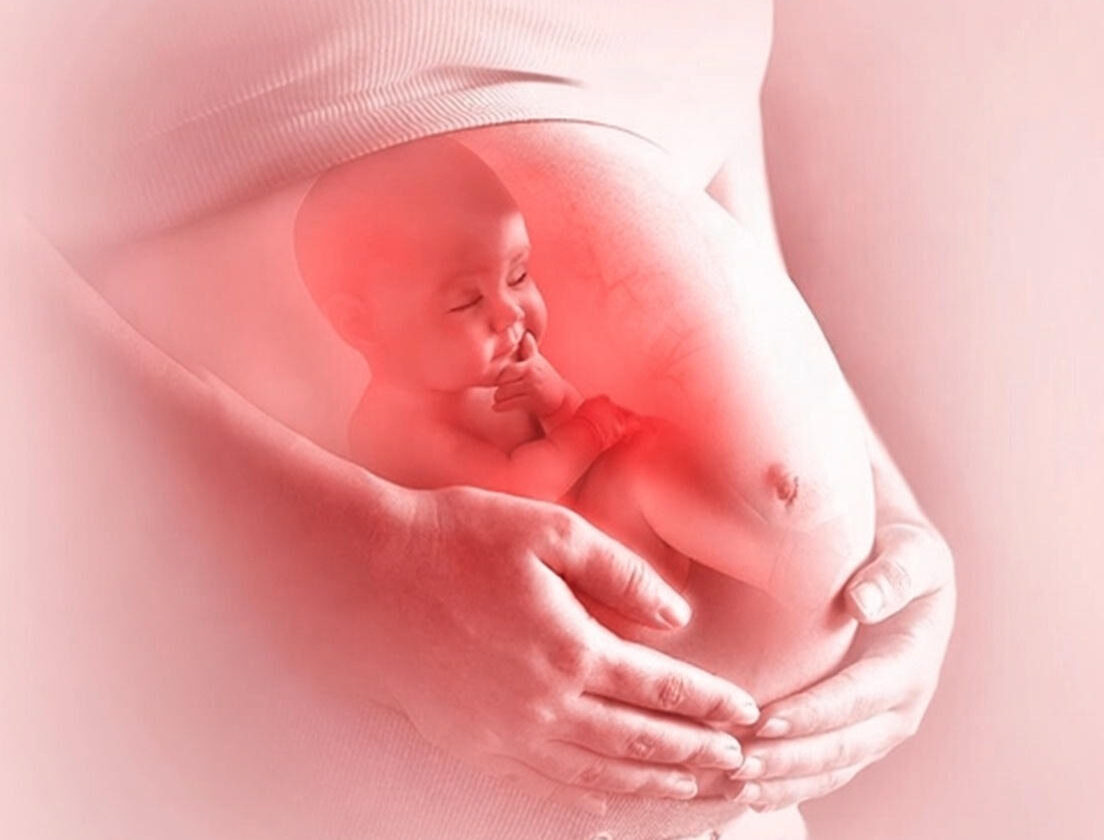
IVF was the first procedure used to fertilize eggs outside a woman’s body. In 1978, the first “test tube baby,” was conceived through IVF. Most assisted reproductive technologies (ART) are derived from the IVF procedure.
OOCYTE (EGG) RETRIEVAL
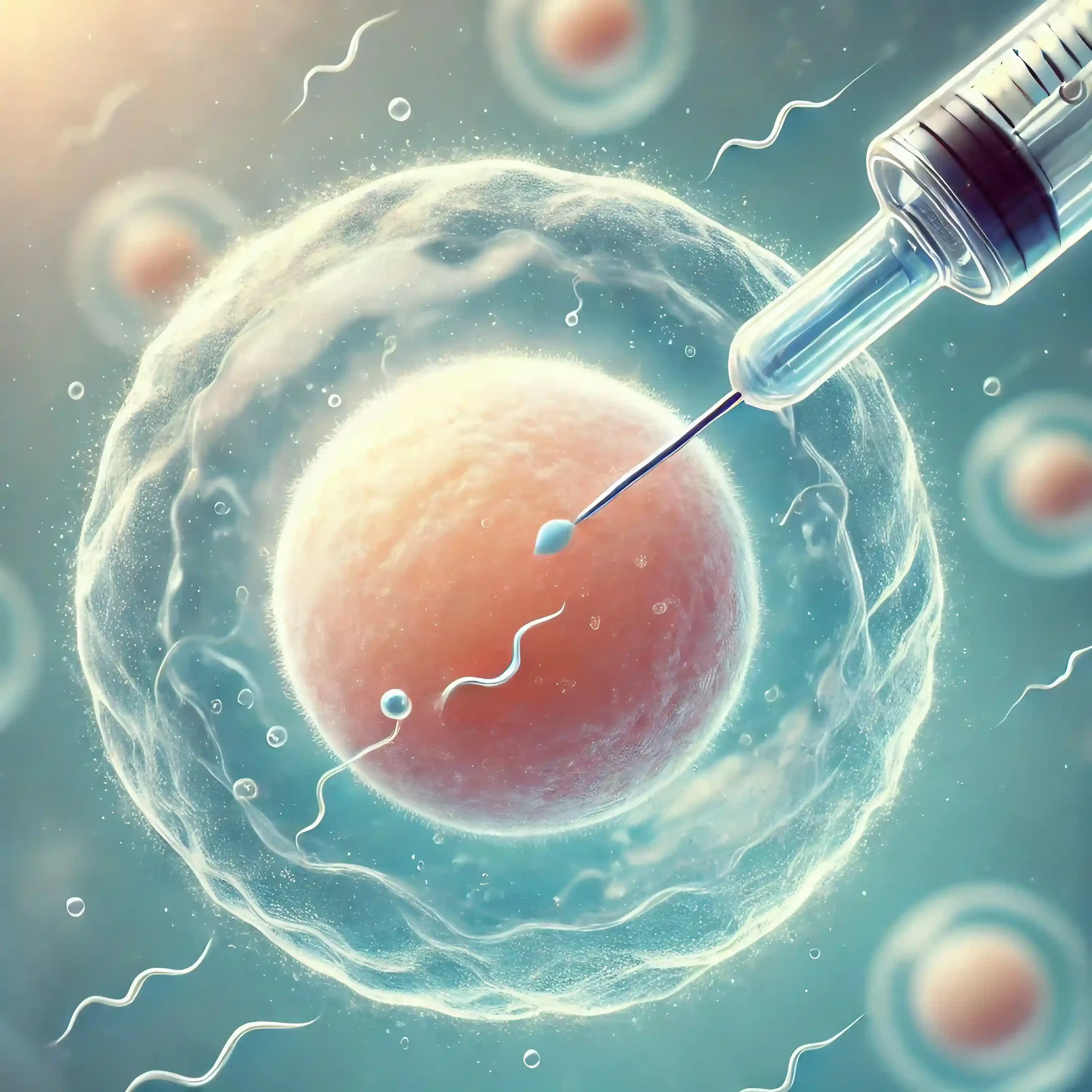
Egg retrieval is performed while the woman is asleep under sedation provided by Anaesthetists. The doctor inserts a needle through the vagina into the ovaries and into each follicle using ultrasound guidance. The follicle fluid containing the egg from the follicle is aspirated into test tubes and given to the embryologist for egg identification. Each egg is then placed in an incubator where it will be placed with sperm a few hours after the retrieval. The number of eggs retrieved can range from 0 (rarely) to 30 (rarely) depending on the age of the woman and her ovarian sensitivity.
The egg retrieval takes approximately 20 minutes, and the woman then recovers in the recovery room until she is ready to return home for a day of rest on the day of egg retrieval.

Key Contributing Factors in PCOS
FERTILIZATION AND INCUBATION
CRYOPRESERVATION
TRANSFER OF CRYOPRESERVED EMBRYOS


EMBRYO TRANSFER PROCEDURE


Contact with Us
Mon-Sat: 10:00 To 07:00 – 18.00pm
Saturday-Closed