Ovulation induction helps stimulate egg release, improving chances of natural conception.
Ovulation problems are a common cause of infertility for women. There are several reasons why a woman may not be ovulating or is ovulating irregularly, all of which make it difficult to become pregnant.
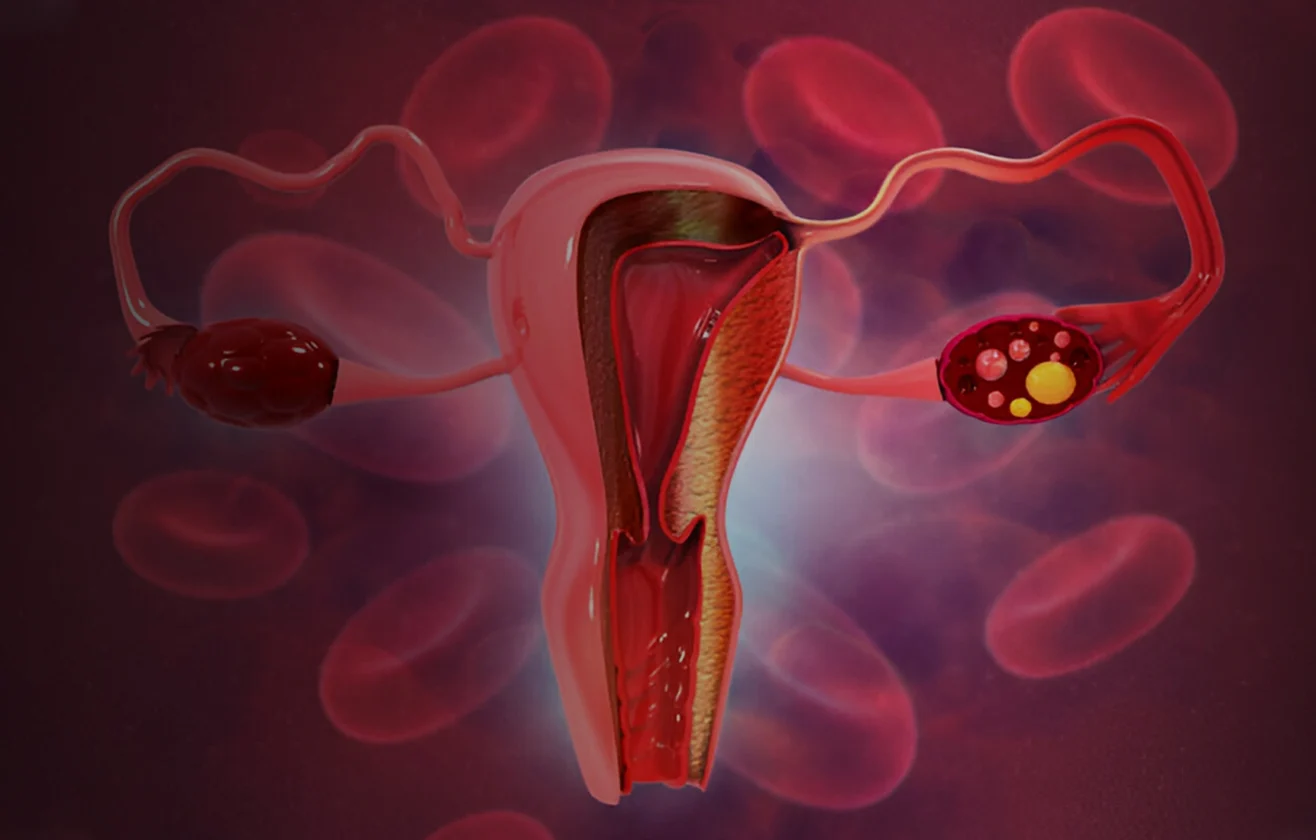
Ovulation is when a mature egg is released from the ovary. The egg travels to the fallopian tube, where it can “mix” with or be fertilized by sperm.
If the egg is fertilized, the resulting embryo travels to the uterus, a journey that takes several days. If the embryo implants, you’re pregnant. If it doesn’t, you’ll have your “period.”
Ovulation induction uses fertility medications to stimulate the release of one or more eggs from the ovary. Sometimes, a procedure called intrauterine insemination (IUI) is used in conjunction with ovulation induction to achieve pregnancy. IUI entails placing washed, concentrated sperm directly into a woman’s uterus via a small catheter.

Ovulation induction treats ovulation issues using medications, sometimes combined with IUI, to stimulate egg release and improve chances of pregnancy.
These are usually the first line of treatment for women who do not ovulate or who ovulate infrequently.
A typical treatment cycle begins with an ultrasound and blood work on the third day of the menstrual cycle. Clomiphene and letrozole are oral medications taken between days three and seven or between days five and nine of your cycle. A transvaginal ultrasound will be performed on day 10 or 11 to check for egg development.
In the ovaries, each egg is contained within a follicle, or fluid-filled sac, that can be visualized by ultrasound. When a woman ovulates, the follicle releases a then-mature egg. (Several follicles develop in the ovaries during each cycle, but usually only one will release an egg.)
Success depends on the woman’s diagnosis and other factors, including her age. “In general, we achieve a 20 to 25 percent success rate of pregnancy per cycle,” she says. “And it’s important to note that the chance of any pregnancy in a young, healthy couple with no fertility issues is, at best, about 20 percent each month.”
Mon-Sat: 10:00 To 07:00 – 18.00pm
Saturday-Closed