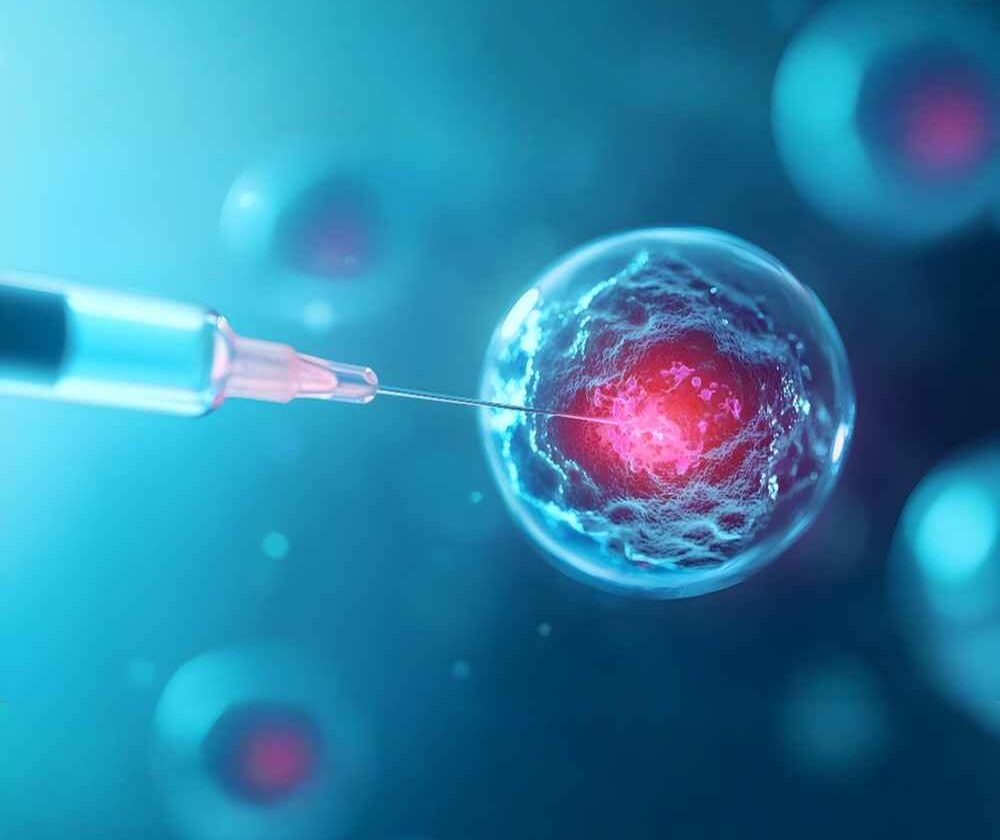
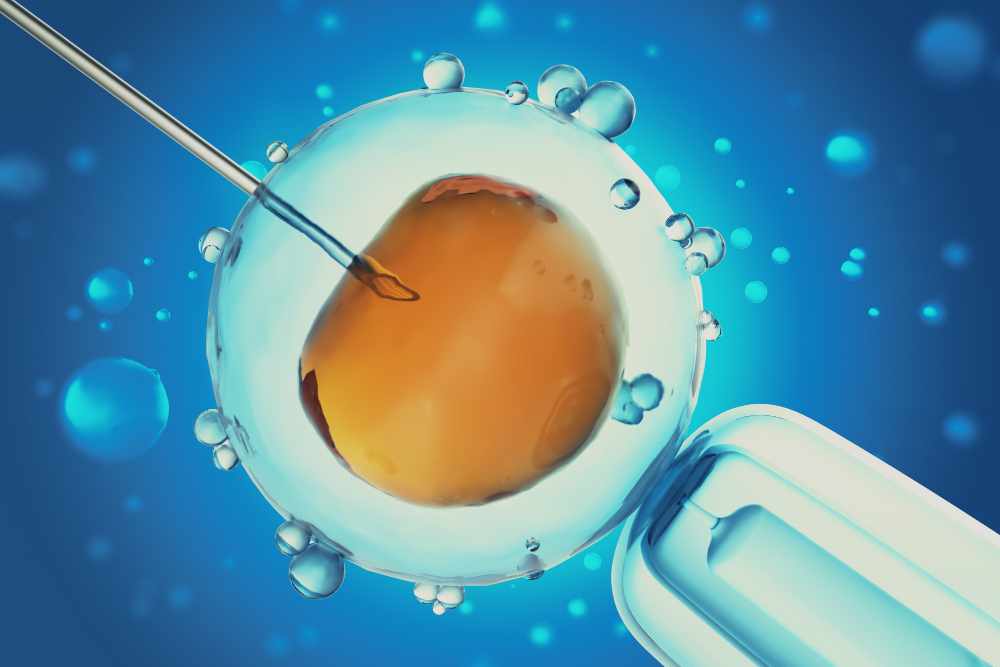
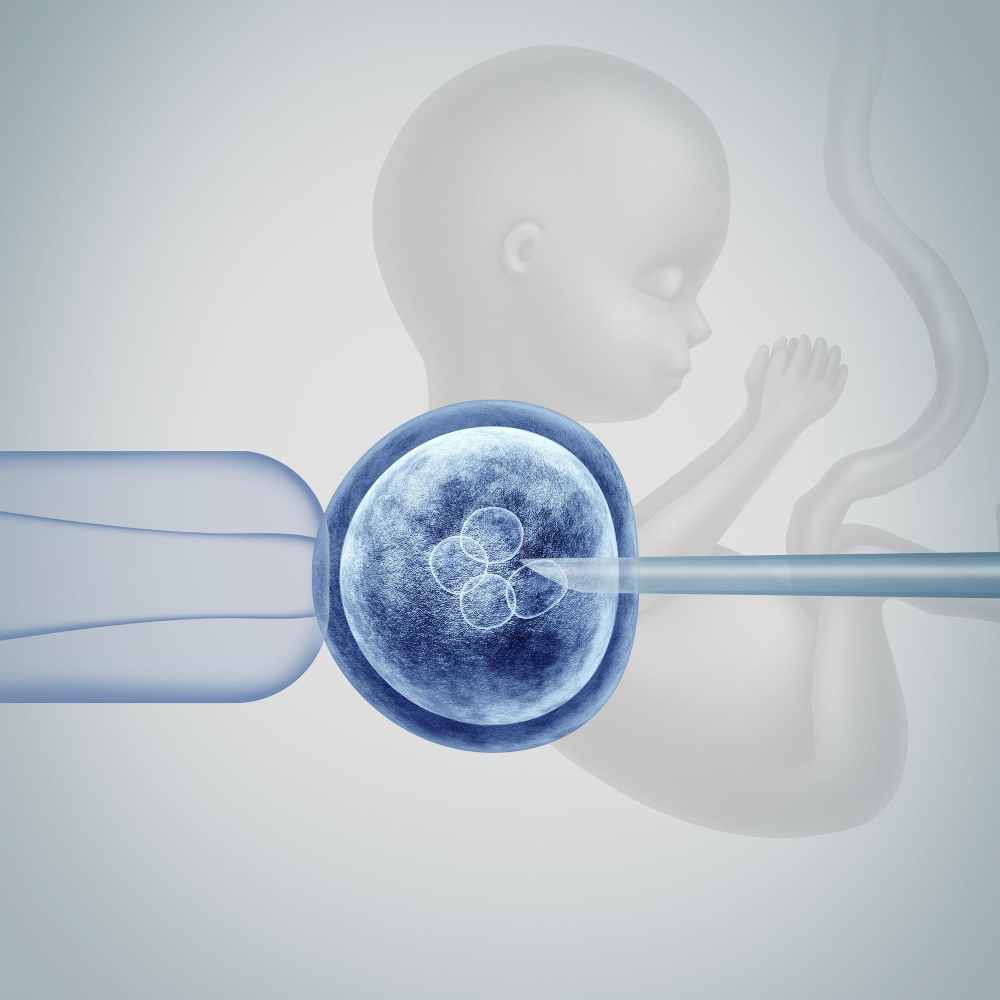
ICSI fertilizes an egg by injecting a single sperm, effectively treating male factor infertility affecting many infertile couples.
Intracytoplasmic sperm injection (we just say “ick see” for short) is a procedure where a single sperm is manually inserted directly into an unfertilized egg. ICSI is performed by highly skilled embryologist using extremely sensitive tools called micromanipulators to inject the sperm via tiny pipettes known as microinjectors. The procedure is performed with the assistance of an inverted microscope built into a specialized anti-vibration table.
Intracytoplasmic Sperm Injection (ICSI) is a method of fertilizing an egg. It helps to overcome problems with fertilization, which is often an issue with male factor fertility problems and estimated to affect around 40% of infertile couples,ICSI.
Before we can perform ICSI, we need healthy, mature egg(s). For most patients, this means several office visits over the course of a few months, numerous lab tests and ultrasounds, followed by an egg retrieval procedure during which our reproductive endocrinologist will aspirate as many mature eggs as possible. We also need sperm, which will be washed to separate individual sperm from the semen sample. Once both sperm and egg are on hand, ISCI can be performed at the micromanipulation workstation.

As many as 85% of eggs that are injected via ICSI achieve fertilization. These fertilized eggs grow in the laboratory for five days while being carefully monitored for normal development milestones.
The process of placing the fertilized and developed embryos back into the uterus is called an embryo transfer. However, during IVF, the hormone levels that are needed for embryo implantation may not be synchronized correctly. Even though patients undergoing IVF are given hormone supplements to help manage this problem, recent research has shown that there may be a benefit to freezing the embryos and transferring them during a later cycle.
ICSI has had incredible success in treating male factor infertility, greatly increasing the chances of fertilization. This is often due to the high quantity of good quality, mature eggs retrieved from a female partner with normal fertility. In cases of extreme male infertility it is often still possible for an experienced embryologist to identify sperm with normal motility and morphology to use in ICSI. Even where no male factor issues are present, ICSI can greatly enhance the odds of successful pregnancy through IVF. This is thought to be due to increased fertilization rates versus standard IVF.
Mon-Sat: 10:00 To 07:00 – 18.00pm
Saturday-Closed