Hysterosalpingogram

HSG is an imaging test using dye and X-rays to check uterine shape and fallopian tube patency.

envato-labs-image-edit (3)_11zon
Structure, Function, and Diagnostic Assessment

Fallopian Tubes and Uterine Evaluation

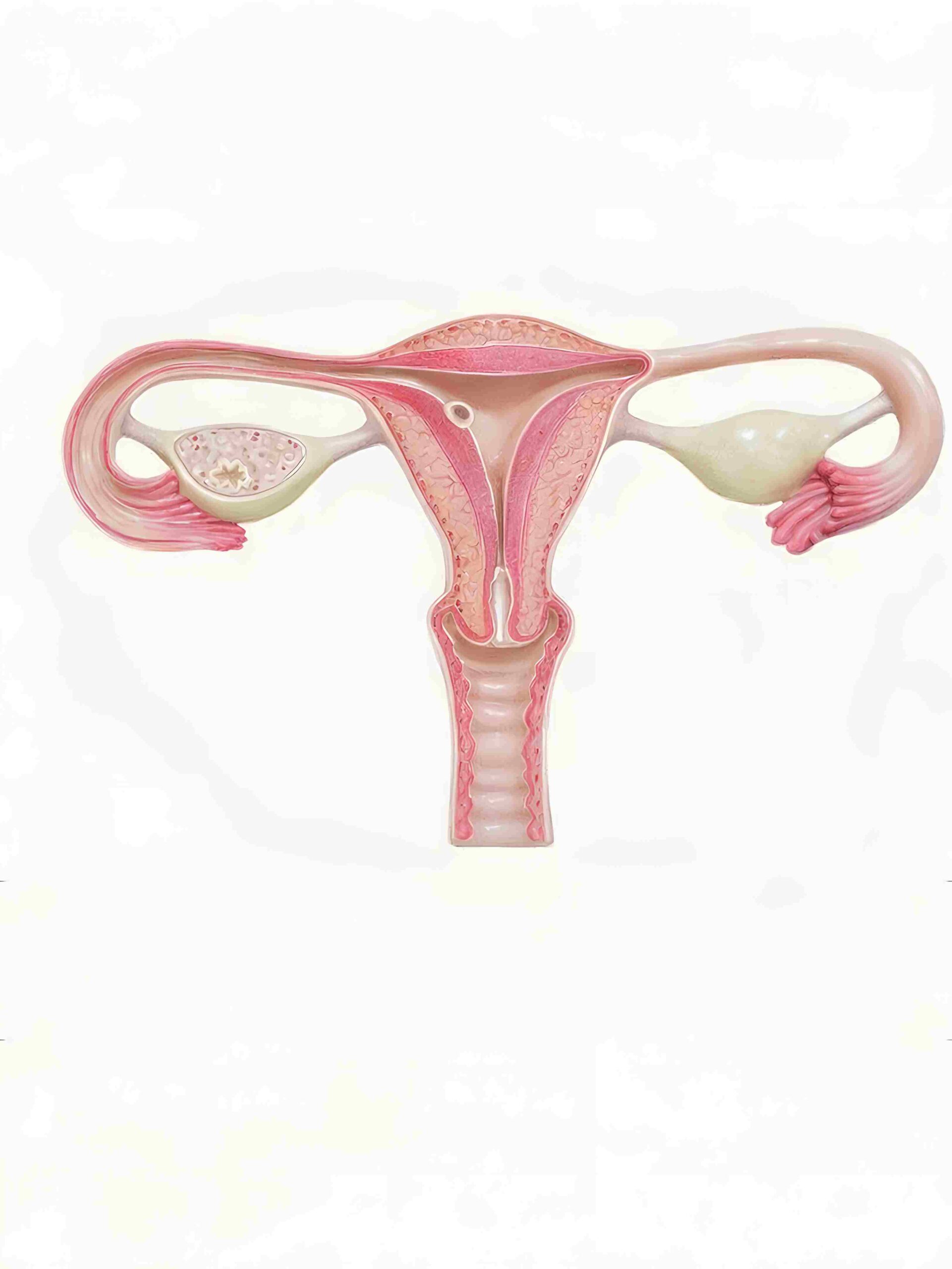
The fallopian tubes are tubular structures that are attached to the right and left sides of the uterus. Each tube is about the size of a pencil and consists of a lumen surrounded by smooth muscle. The lumen is trumpet shaped, the end attached to the uterus is narrow and the end adjacent to the ovaries is wide.

The fallopian tubes have three important functions:

Picking up the eggs (oocytes) from the ovary
The oocytes
Transporting the fertilized ovum into the uterus

3D Sonohysterography is a diagnostic test involving the use of saline as a contrast agent inside the uterine cavity. Injecting saline into the uterine cavity increases the ability to see problems in the cavity and in the wall (myometrium) of the uterus.

Understanding the HSG Procedure

What to expect

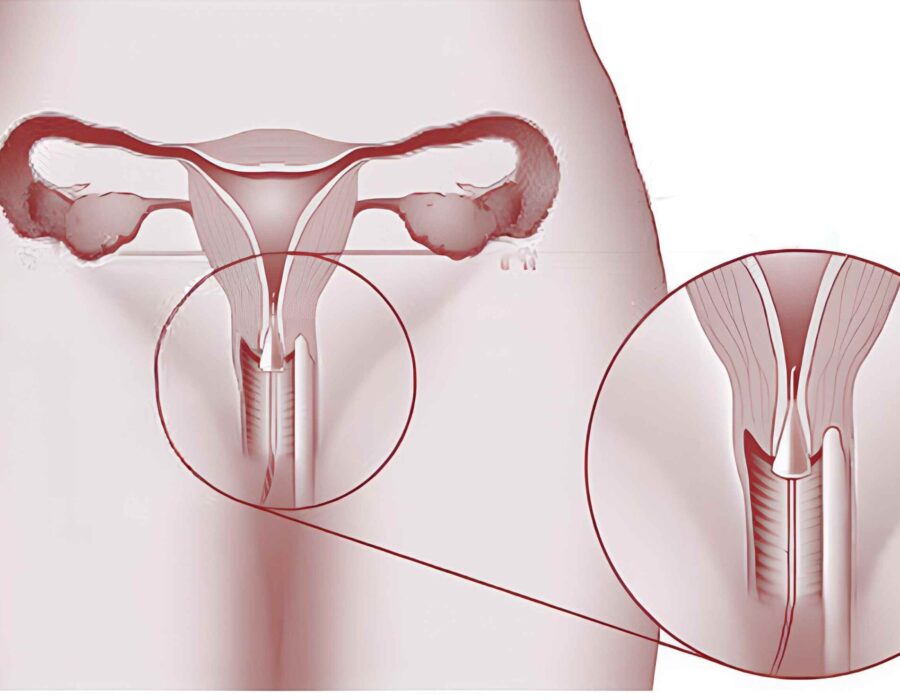
A hysterosalpingogram (HSG) is done by placing a speculum into the vagina, cleaning off the cervix with a mild soap solution and then passing a thin catheter through the cervix into uterine cavity. Contrast or “dye” is then slowly injected into the uterine cavity. As the contrast passes through the fallopian tubes, X-ray images are taken. The catheter is then removed and images of any uterine or tubal abnormality can be studied and reviewed with the patient.


0
HSG
x
Personalized fertility care led by Dr. Murugapriya, combining advanced medical science with compassionate support to help you achieve your dream of parenthood.

Contact with Us

2nd Floor, Deen Complex Building, Marry’s Corner, Railway Station Backside, Thanjavur – 613 001.

Mon-Sat: 10:00 To 07:00 – 18.00pm

Saturday-Closed